Children cannot learn if they cannot see. Yet across Pakistan, over 3 million children continue to struggle with avoidable vision problems that remain undetected, affecting not only their academic performance but also their confidence, social development, and future opportunities.
While individual organisations have made remarkable contributions to improving children’s eye health, achieving sustainable impact requires something greater—coordination, standardisation, and collective leadership.
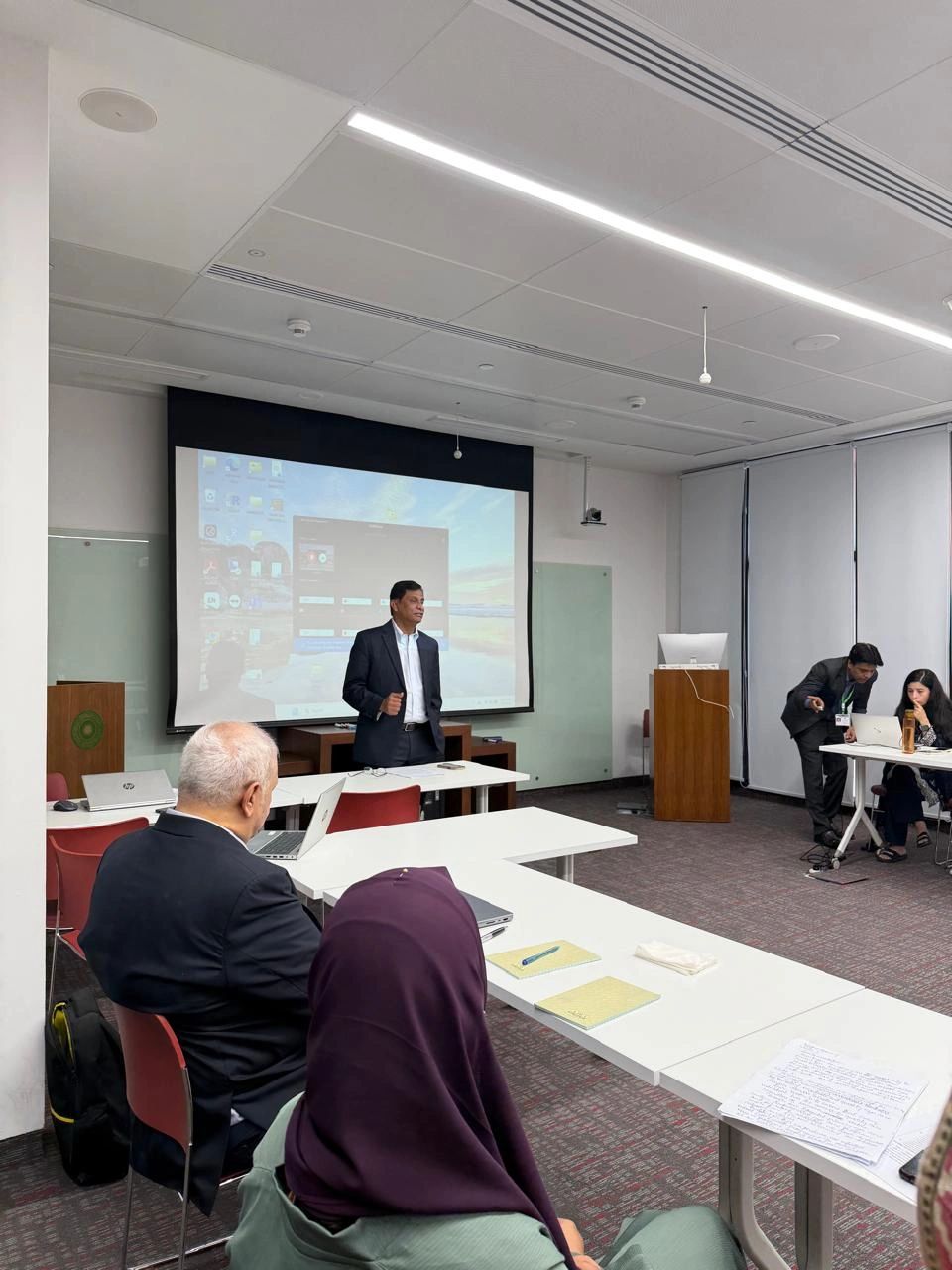
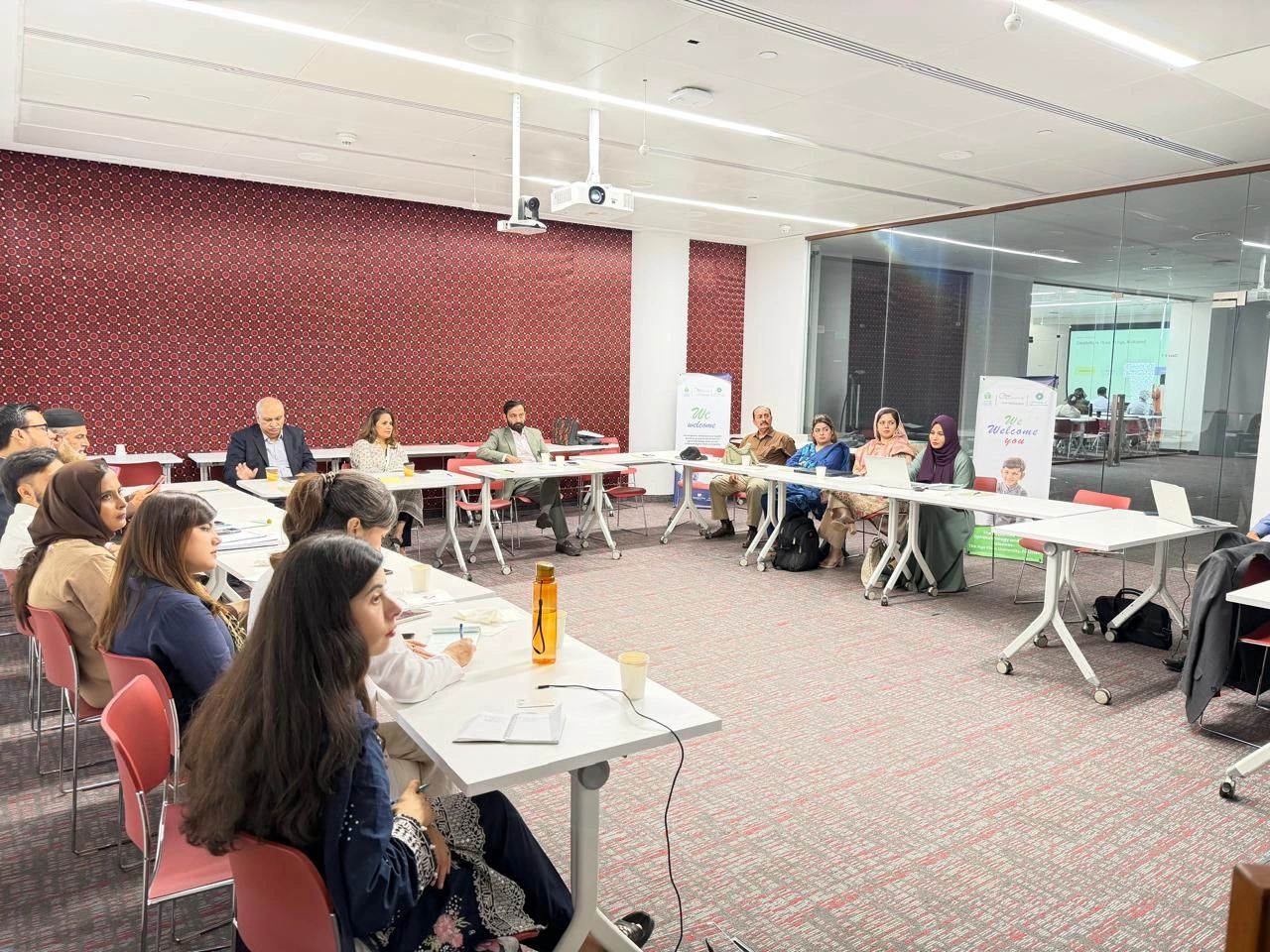
With this shared vision, the Vision Healthcare Foundation had the privilege of serving as the secretariat for the Third Provincial School Eye Health Working Group Meeting, held on 9 July 2026 at Aga Khan University, Karachi. The meeting brought together key stakeholders from the government, academia, non-governmental organisations, development partners, and the private sector to strengthen collaboration and advance a coordinated, sustainable, and inclusive approach to school eye health across Sindh. It represented another significant milestone in the collective journey towards integrating school eye health into broader public health and education systems, ensuring equitable access to quality eye care services for children throughout the province.
From Individual Programmes to a Provincial Movement
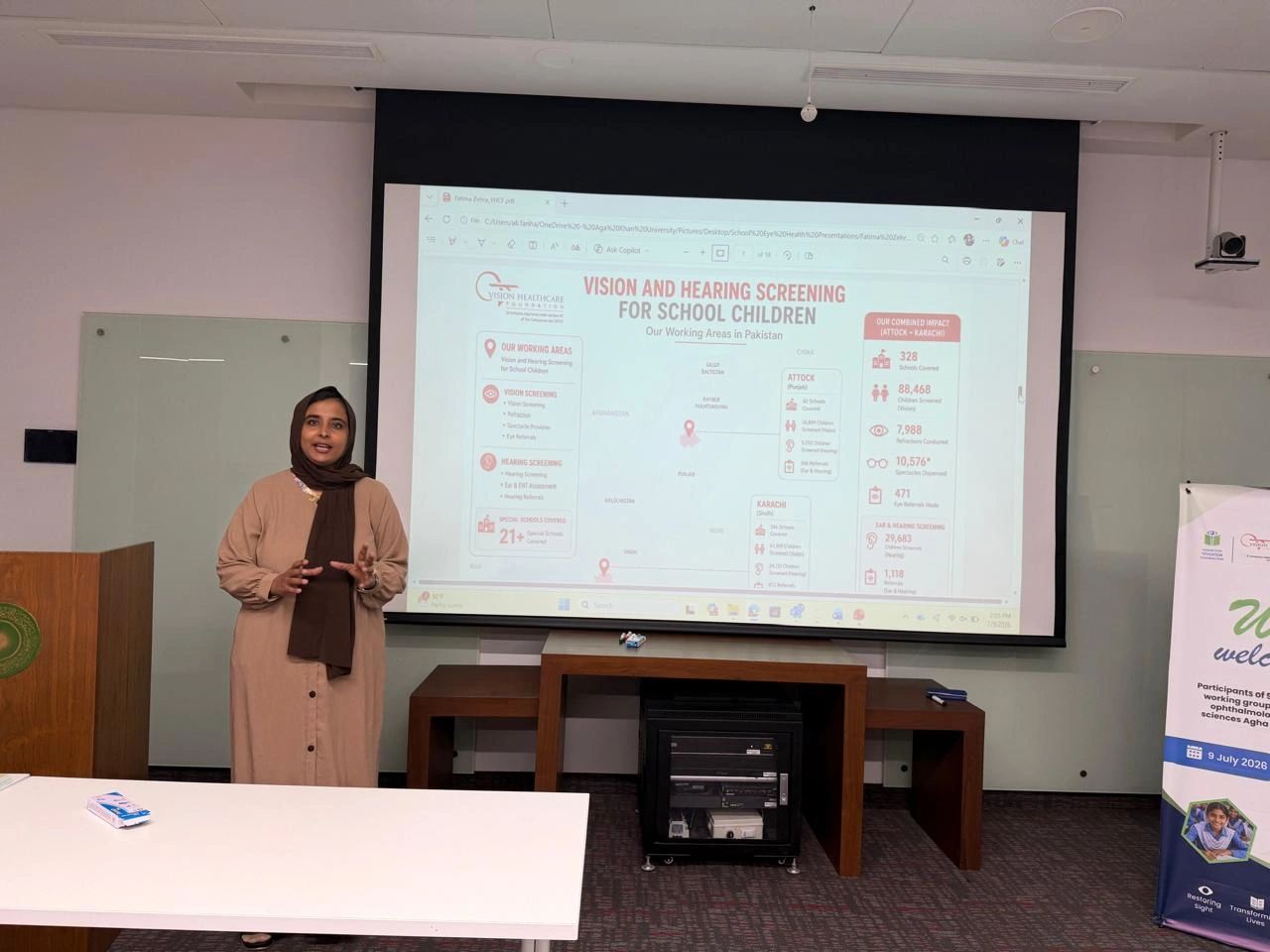
Witnessing organizations openly discuss their experiences, achievements, and difficulties was one of the meeting’s most inspiring features. Participants gave presentations on their school eye health programmes, emphasising programme expenses, digital data systems, referral mechanisms, geographic coverage, and creative service delivery approaches.
Despite working in different districts and contexts, common themes emerged. Nearly every organisation recognised the importance of teacher engagement, digital monitoring, structured referrals, and quality assurance. These shared experiences reinforced that while implementation models may differ, our ultimate goal remains the same: ensuring that every child has access to quality eye care.
Rather than working in parallel, members agreed that these experiences should shape the Provincial School Eye Health Guidelines and contribute to a unified action plan for Sindh.
Why School Eye Health Matters More Than Ever
The meeting also revisited compelling global evidence demonstrating why investment in school eye health should be considered a development priority.
Discussions referenced international evidence showing that good vision is directly linked with improved educational outcomes, productivity, and economic development. Equally important was the growing evidence connecting uncorrected vision problems and myopia with reduced learning outcomes, anxiety, depression, and other mental health challenges among children.
These conversations reminded us that school eye health is no longer solely an eye care issue—it is an education, equity, and human development issue. Investing in children’s vision is ultimately an investment in Pakistan’s future.
Looking Beyond Eyes: Towards Integrated School Health
One of the strongest messages emerging from the working group was that school eye health should not exist in isolation.
Participants unanimously supported integrating eye health with hearing screening, disability inclusion, accessibility, and other essential school health services. This holistic approach recognises that children’s health needs are interconnected and that schools provide an ideal platform for delivering preventive health services efficiently.
At Vision HealthCare Foundation, this integrated approach has already become central to our own school health programme, and it was encouraging to see a broad consensus that future provincial strategies should adopt the same direction.
Standardisation: Improving Quality Across Sindh
As school eye health programmes expand, maintaining consistent quality becomes increasingly important.
The Working Group reviewed the draft Provincial School Eye Health Guidelines and discussed the need to standardise screening methodologies, referral criteria, reporting indicators, follow-up mechanisms, and data collection systems across implementing organisations.
Perhaps the most significant consensus reached during the meeting was the adoption of the principle of “No Screening Without Service”.
Screening alone does not improve children’s lives. Every child identified with a vision problem must have access to diagnosis, treatment, spectacles, referral, and appropriate follow-up care. This principle places quality and accountability at the centre of future school eye health programmes throughout the province.
Data That Drives Better Decisions
Another key area of discussion focused on data.
Currently, organisations use different reporting systems and software platforms, making it difficult to measure provincial progress and avoid service duplication.
Members therefore agreed to work towards harmonised indicators, district-level mapping, and the development of a shared provincial database. Such systems will not only improve programme coordination but will also strengthen evidence-based planning, resource allocation, and accountability.
For all of us working in public health, better data ultimately translates into better services for the children.
Ensuring No Child Is Left Behind
The Working Group also looked beyond traditional school settings.
Many children remain out of school or live in underserved communities where access to health services is limited. Participants explored innovative ways to reach these populations through community platforms, including Lady Health Visitors (LHVs) and other frontline health workers.
This reflects a broader commitment to equity—ensuring that vulnerable and marginalised children receive the same opportunities for healthy vision regardless of where they live or whether they attend formal schools.
Strengthening Partnerships for Sustainable Change
One of the greatest strengths of the Provincial School Eye Health Working Group lies in its diversity.
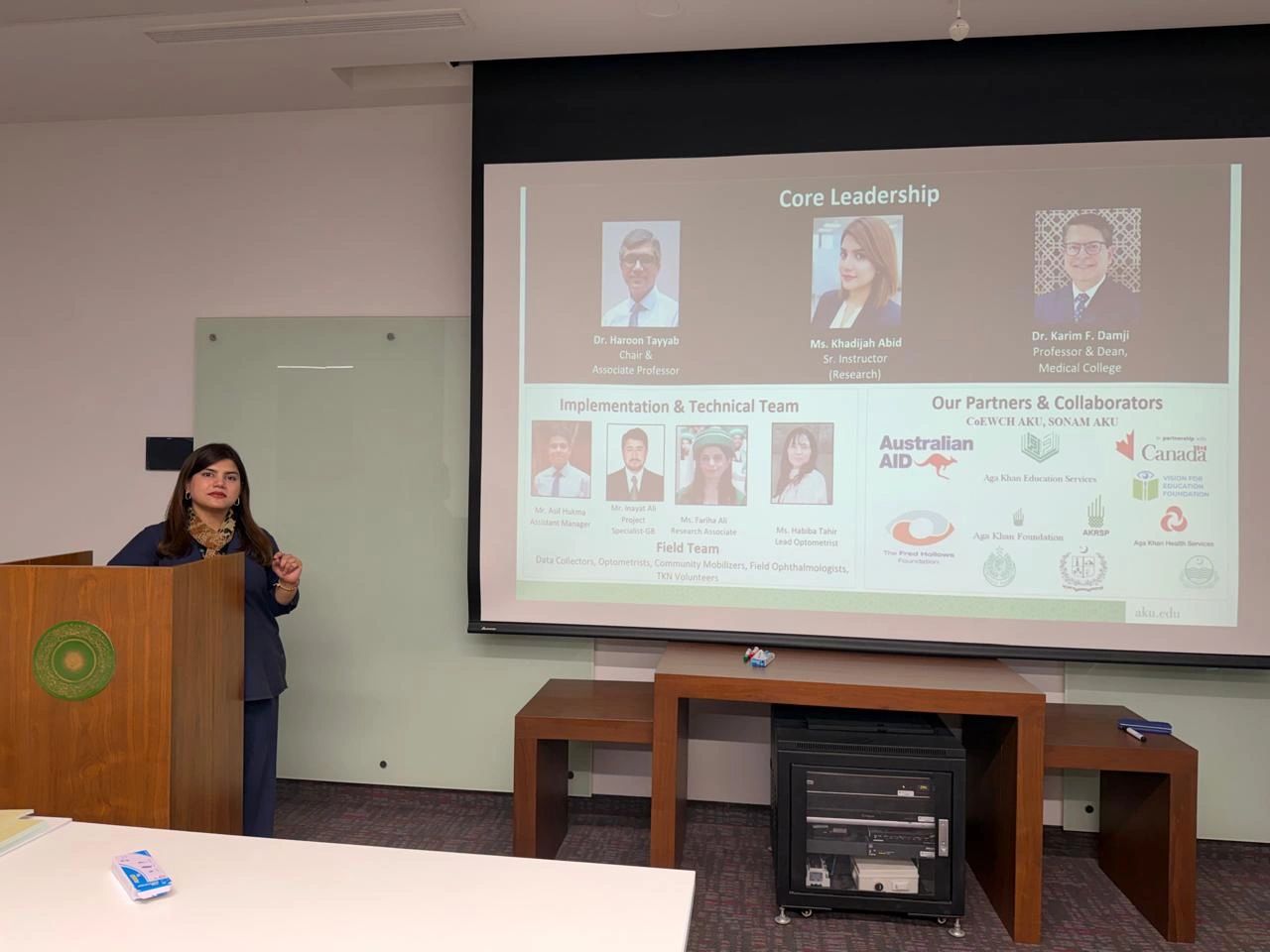
The meeting welcomed Aga Khan University (AKU) and the Marie Adelaide Leprosy Centre (MALC) as new members, further strengthening the network of organisations committed to improving children’s eye health across Sindh. Participants also reaffirmed the importance of quarterly meetings, continuous knowledge exchange, and collaborative planning to ensure sustained progress.
At Vision HealthCare Foundation, we believe that a single institution cannot achieve sustainable change. It requires governments, academic institutions, development partners, civil society organisations, and healthcare providers working together towards a common purpose.
Moving Towards an Integrated and Inclusive School Health System in Sindh
The outcomes of the Third Provincial School Eye Health Working Group Meeting represent more than a collection of action points; they provide a strategic roadmap for advancing school health systems in Sindh. The collective commitment to finalising provincial school health guidelines, developing a unified provincial action plan, standardising service delivery approaches, strengthening referral pathways, establishing robust provincial data systems, and integrating health interventions within comprehensive school health programmes reflects a shared ambition to build stronger, more equitable, and sustainable systems for children.
The discussions highlighted the importance of evolving beyond a standalone eye health model towards an integrated school health approach that addresses the diverse health and developmental needs of children. In addition to eye health, the proposed approach encompasses ear and hearing care, nutrition, disability inclusion, safeguarding, health education, and other essential components of child health. This holistic model aims to position schools as key platforms for health promotion, early identification, timely referral, and access to quality healthcare services, ensuring that every child receives the support needed to learn, participate, and thrive.
As the secretariat of the Provincial School Eye Health Working Group, Vision Healthcare Foundation remains committed to facilitating multi-sectoral collaboration, promoting evidence-based practices, supporting government leadership, and contributing to the institutionalisation of inclusive and sustainable school health programmes across Sindh.
Every child deserves the opportunity to learn with a clear vision, to hear and participate confidently, to access supportive learning environments, and to reach their full potential. Through collective action and shared commitment, we are moving closer to creating a future where every child in Sindh has equitable access to the health services they need to succeed.
Together, we are not only improving children’s eyesight—we are building healthier schools, stronger systems, and brighter futures for generations to come.